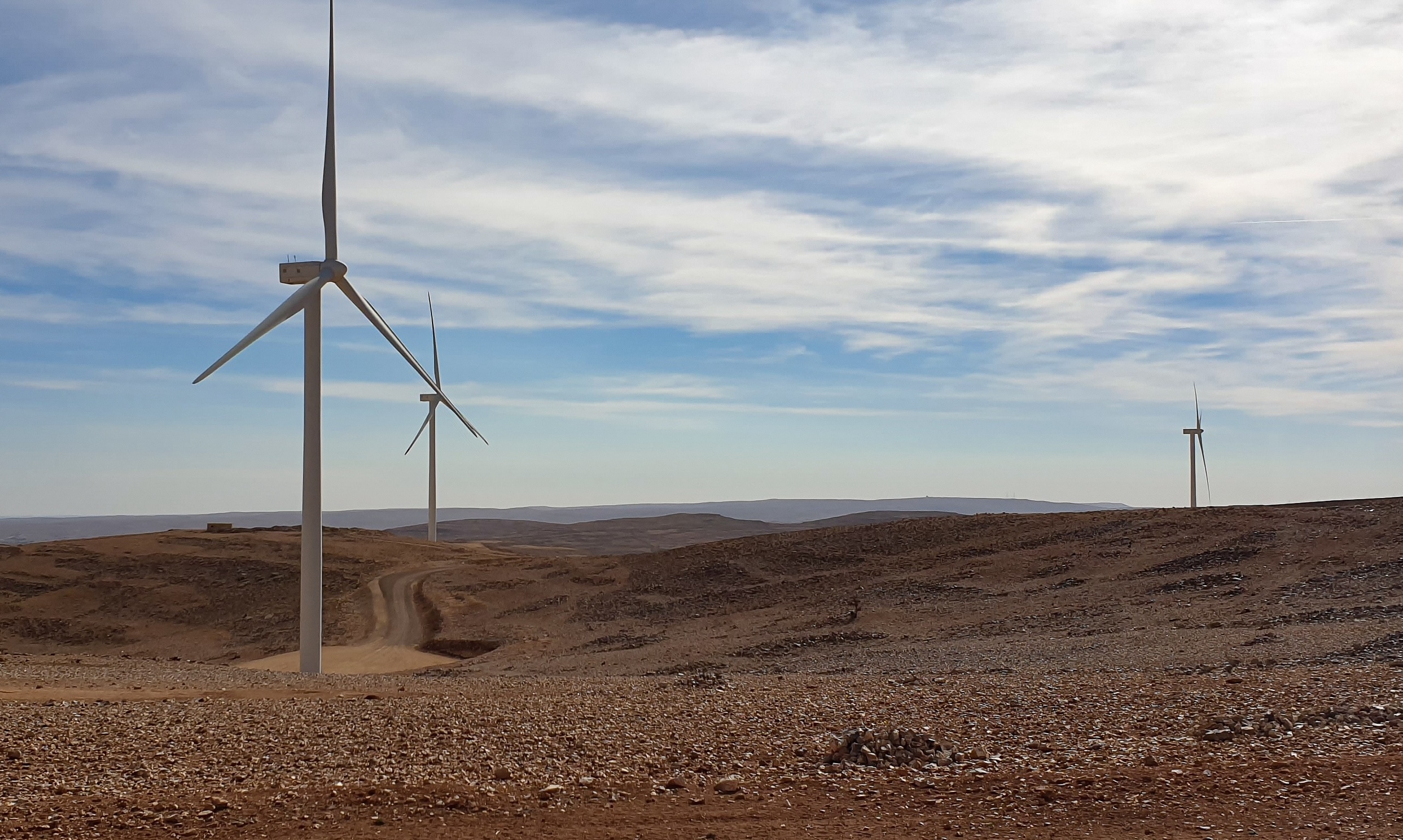
Climate change affects the insurance industry not only through physical risks such as extreme weather events and longer-term environmental change, but also through the way economies, industries, regulators, investors and consumers respond to the transition towards a lower-carbon future.
These transition risks can arise from policy and legal developments, technological change, market adjustments, shifting consumer preferences, and investor expectations. They can affect business models, asset values, demand patterns, liability exposures, underwriting assumptions, investment portfolios, and the broader conditions under which insurance markets operate. As such, transition risk is an important part of understanding the longer-term implications of climate change for the insurance sector.
Asia's economies are undergoing rapid and varied transitions, shaped by differing energy mixes, development priorities, industrial structures, and regulatory pathways. This paper examines five categories of transition risk: policy and legal, technology, market, consumer, and investor. It explores how these risks can flow through businesses, households, financial markets, supply chains, and public finances, and considers their implications for underwriting, pricing, product design, investment portfolios, and long-term resilience.
This paper is the second of Global Asia Insurance Partnership's three-part policy paper series on Climate Change & Insurance, with the first paper examining physical risks and their implications for the insurance industry.
[8 October 2026], Singapore — The Global Asia Insurance Partnership (GAIP) today announced that Lloyd's Asia has joined the Asia-focused, neutral tripartite platform as a
[2 September 2026], Singapore — The Global Asia Insurance Partnership (GAIP) today announced a strategic partnership with Cathay Life Insurance Co., Ltd. (Cathay Life), which